Super PLAY, the magazine I grew up on
In the late ’90s and early ’00s, I read Super PLAY, an independent Swedish video game magazine. I’d mostly forgotten about it until I found the old issues scanned and uploaded by Jonathan Eng at Super PLAY arkivet. The original publisher, Atlantic Förlags AB, has uploaded some scans too.
The magazine started in 1993 under the name Super Power, focusing exclusively on Nintendo at first. In 1995, it expanded to cover all console makers, and by 2001, it added PC coverage as well.
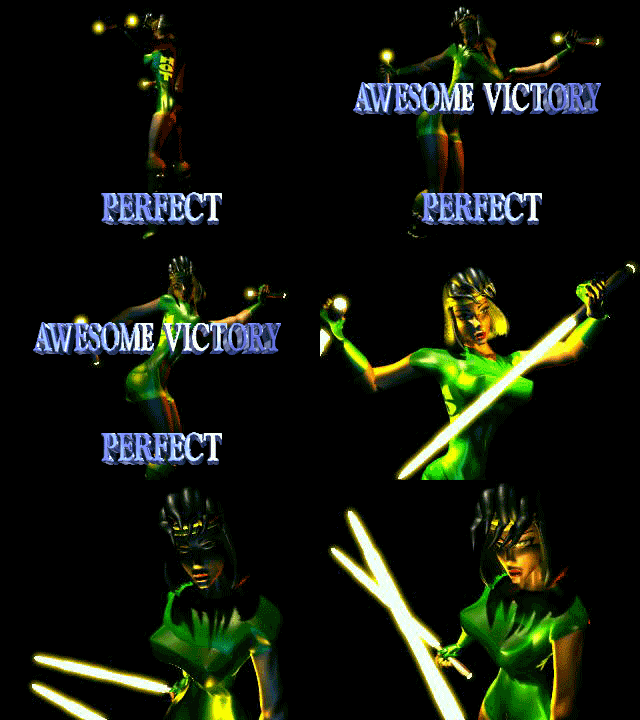
I think my first issue was the March 1996 issue. Its hot-pink cover featured Orchid from Killer Instinct. I can still picture it.
What I loved
The writing probably wouldn’t win any prizes, but it was my main source of video game news. I read every word.
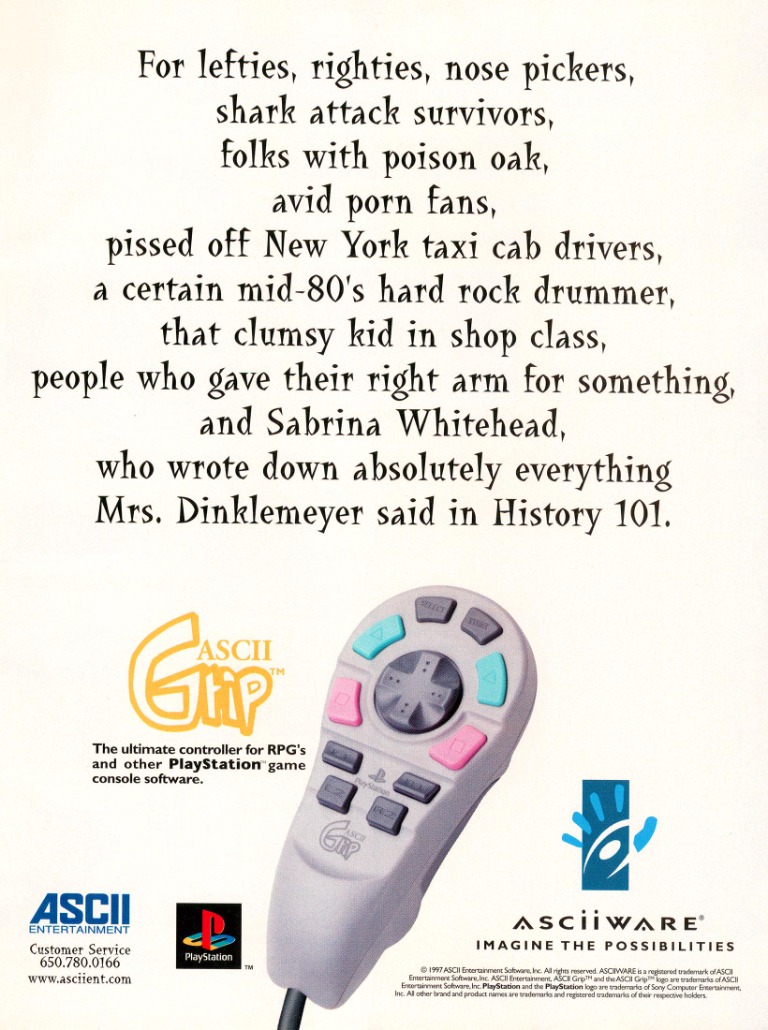
My favorite parts were the news section, Hype, and Fokus, which covered Japanese role-playing games (JRPGs), anime, and arcades. I even pored over the ads for games and accessories. I remember staring at the ASCII Grip, a one-handed PlayStation controller made for JRPGs, and imagining myself on the couch with one hand free for snacks as I played all those expensive Japanese imports.
The magazine had strong opinions, and luckily for me, its tastes often matched mine. Each review had an overall score and four sub-scores: graphics, sound, playability, and challenge. The review boxes were small, so each category got one sentence. Those blurbs could be wildly over the top, in either direction, and full of superlatives.
Flicking through paper
I enjoyed the scans enough that I recently bought several physical issues. There’s something about flicking through the pages in person.
I miss magazines. They gave us a shared culture, before algorithms split us into separate echo chambers. I often read opinions I disagreed with, which was good for my still-forming tastes. Later, Super PLAY changed its reviews: one writer handled the main piece, and others added a few paragraphs with their own takes. It was a good way to make room for different tastes.
I also loved sitting down with a physical magazine. No notifications, no distractions. Just reading.
Circulation was around 20,000 to 30,000 copies. That may sound modest, but people passed issues around, so the actual readership was at least twice that. The magazine had a real cultural impact and published 164 issues before it closed in late 2009.
Competing for attention
Super PLAY wasn’t the only magazine around. Svenska PC Gamer was a fantastic PC magazine, and Missil was a sleek, premium lifestyle magazine for “hardcore gamers.” Later, Player 1 arrived for a slightly older audience. It felt more approachable and inclusive than Missil, which eventually returned as a website.
The web years
Super PLAY launched a barebones website in 1999. I often visited the forum and news section, though I mostly lurked.
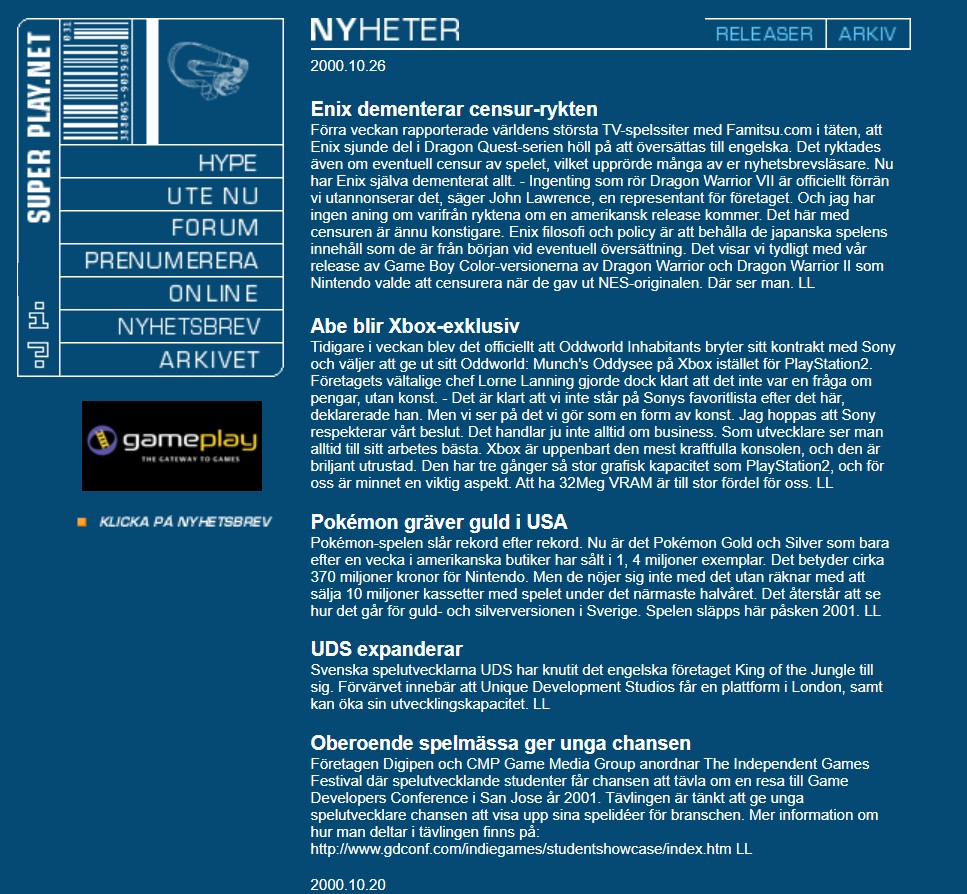
That changed in early 2003, when they hired someone to design and code a new message board. It became my main online hangout, before social media took over. I was an admin for a couple of years, and friends I made there helped me start my own video game websites. I loved that scrappy early-2000s web.
Most people still had slow internet, so the magazine sometimes came with a DVD of trailers, interviews, and other extras. One of my favorite clips came from a collaboration with youth TV channel ZTV and its show Wimans. A Super PLAY writer dropped by to demo a Super Monkey Ball minigame on the Nintendo GameCube. It brought together one of the most-watched live shows for teenagers and the country’s most-read youth magazine, at least among boys.
My takeaway
I miss having something to look forward to each month. We were starved for information, so a new issue felt like an event. We talked about articles in the schoolyard, imagined games in motion from a handful of screenshots, and studied the ads to plan what we’d buy if we ever had the money. The developers seemed like rock stars. Their work made gaming feel larger than life, part of a worldwide phenomenon backed by a huge industry.
Having one main source also gave you the sense that you knew what was going on. Of course, you didn’t. The magazine missed plenty and had to choose what to cover, but its editors took games seriously and did their best to make sense of them. I prefer that to social media shitposting, where engagement matters more than the bigger picture.
And is it just me, or do magazines smell nice? I should get an EDGE Magazine subscription while it’s still around. You should too. Keep print alive.